
A Year Spotlighting Social Impact
The first time I really considered what it means to be a social impact business was when I was in college. I was sitting in my Syracuse University Maxwell School of Citizenship class, and the department advisor encouraged us to reflect on what it means to be “charitable.”
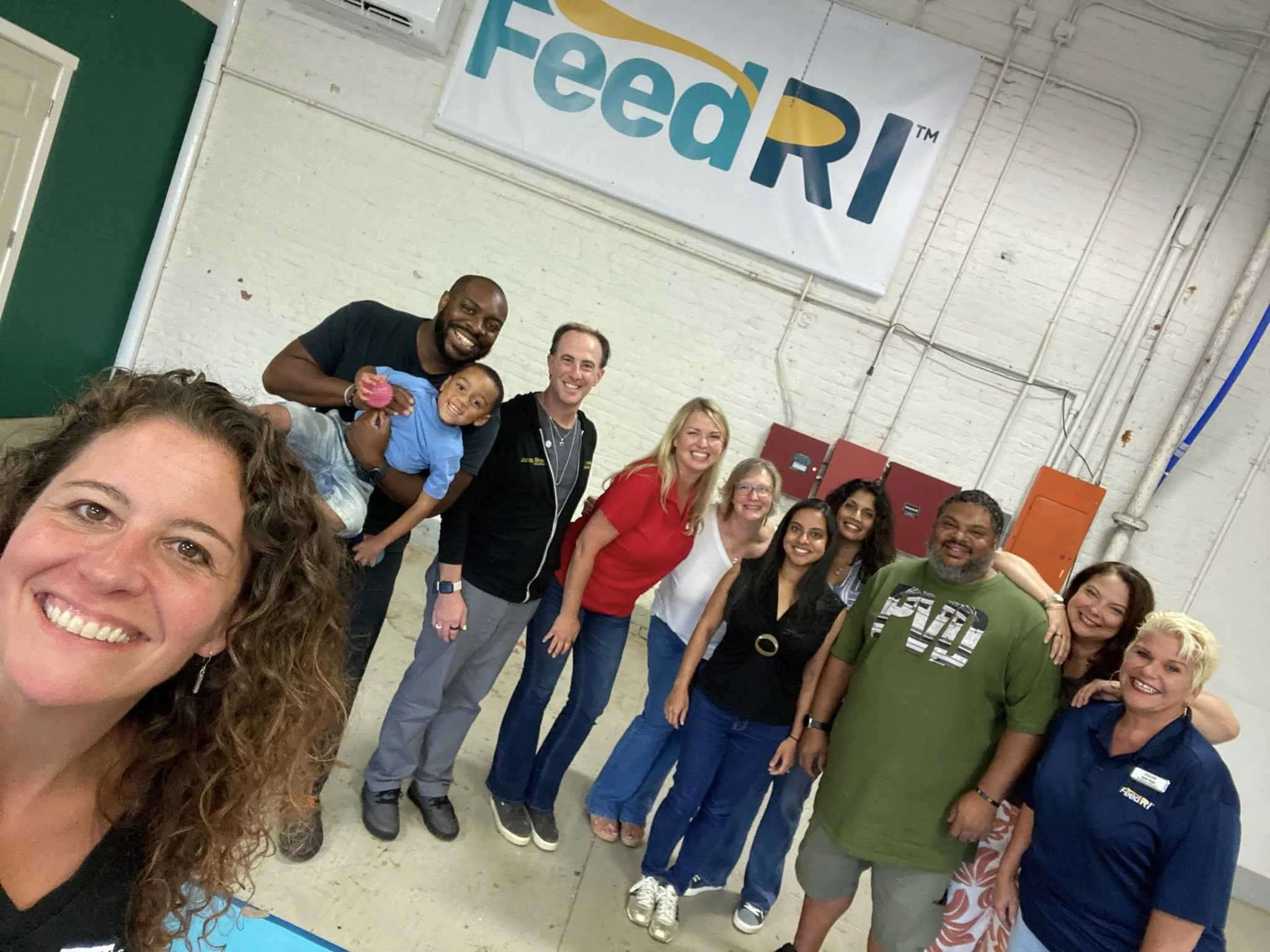
Team Training and Volunteering at Feed RI!
Naturally (like any great philosophical debate raised with young minds!), the class started going back and forth about the impact of donation and volunteerism, particularly for organizations. Debating things such as…
What does it actually mean to be charitable?
Can it truly be altruistic and authentic?
What is one’s motivation if they choose to be charitable?
Does it even matter or is the simple act of doing enough?
That conversation always stayed with me, particularly as I entered the business world and started imagining what it would mean to be a company committed to social impact.
What quickly emerged for me (and continues to be true today) is that I envision a company that intentionally uses its platform to give back to others, strengthens ecosystems and communities, and embraces what I refer to as a “people before professionals” mindset. I picture the company that believes that investing in people, talent, partnership, and community can serve as a catalyst to spark the ripple effect of change.
For far too long, the motivation to become a social impact business was more “feel good” than data validated. Leaders might have joined the movement because it “sounded good” on a corporate website and made employees feel like they were a part of something bigger. But today, the notion of being a social impact business is anchored with real reasons to do so. Just consider a few statistics (Percent Pledge, Benevity, Pledge1%):
Firms prioritizing social and environmental initiatives can see up to a 6% increase in market value over a 15-year period.
Over 70% of job seekers consider a company’s social impact before accepting an offer.
92% of leaders say they are investing in social impact programs because it’s good for business, with 88% stating that their impact strategy is future-proofing their business when it comes to talent acquisition and retention, customers and regulatory requirements.
77% of consumers are motivated to purchase from companies committed to making the world a better place.
It’s for all of these reasons (and many more!) that we’re stepping into 2026 with even more intention, with social impact serving as our guiding principle for the year ahead. Throughout the year, we’ll be sharing practical tips, real lessons learned, and behind-the-scenes insight into how we’ve built impact into our own business — what’s worked, what we’ve learned, and what we’re driving towards next.
After all, any company, of any size, in any industry, can choose to be a social impact business. To lead with values, embed impact into how they operate, and show up meaningfully in community and partnership.
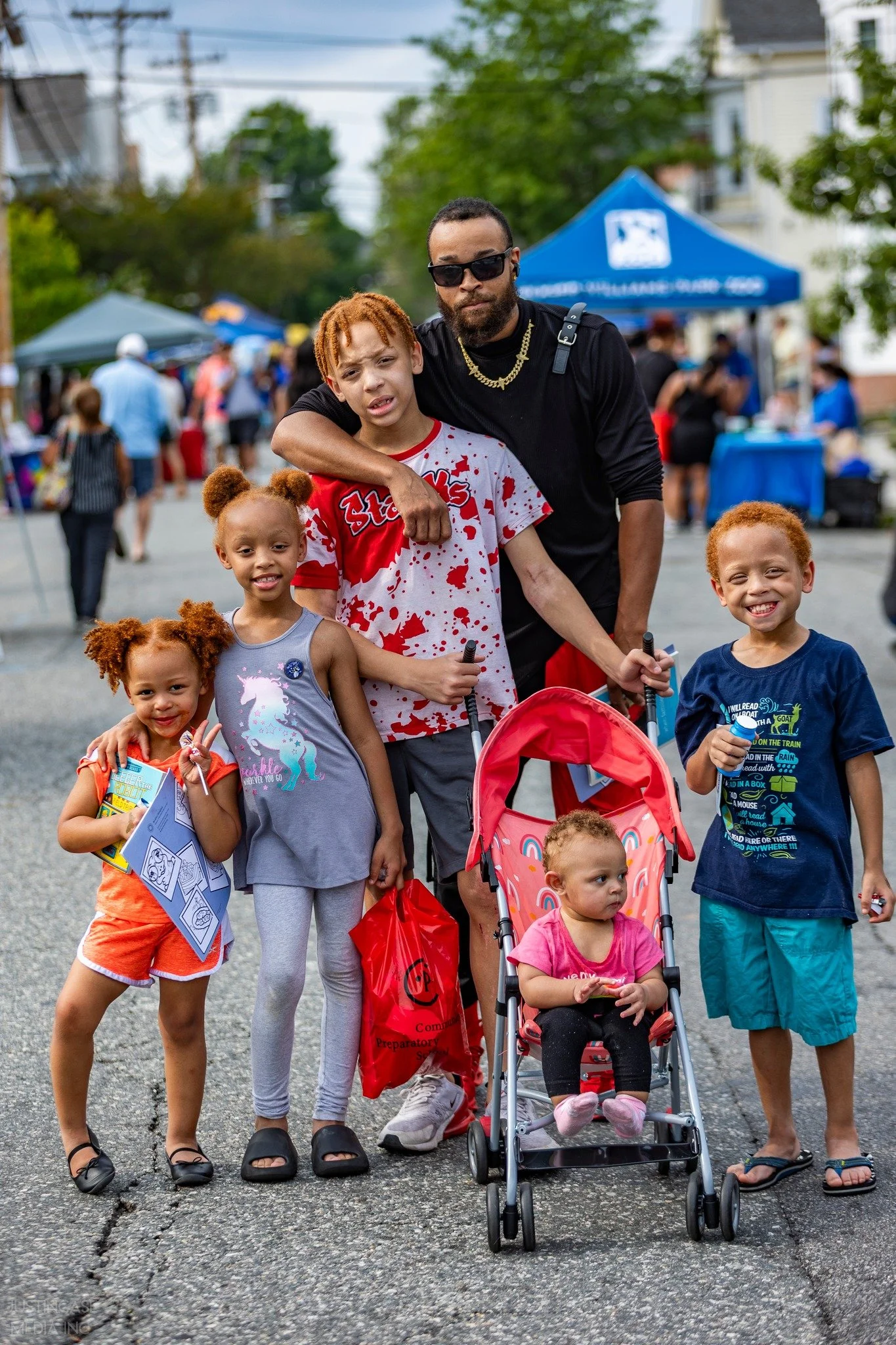
Smith Hill Block Party!
20 years of impact
As many of you know, our commitment to a “do well, do good” business model was fortified upon our founding more than 20 years ago. At a time in which there was not yet evidence to prove that this commitment made sense, that didn’t stop us! Our values (it’s about we, we are grateful, we give back, etc.) guided our decision to stand up two core components of our model:
- The "half,” which reflects our commitment to growing as a for profit business and
- The "full,” which represents our unwavering dedication to giving back
Dive deeper into the full side of our model by clicking here!
We invest in our ecosystem — from our signature no-cost Youth Forward series that brings together 20-25 high school students for immersive overnight experiences to our no food waste policy where surplus food from events go to local Rec Centers to having a full time Community Liaison on staff (shout out to the amazing Wole Akinbi!).
Last year, our give back commitments included: donating money to community through programs and in-kind services; building an equity-driven bench of over 15 Flex Facilitators; and establishing the 02908 Merchant Association in our Rhode Island HQ backyard, dedicated to enhancing community economic opportunities.
For us, being a social impact business is not about a light switch. Rather, it’s about a commitment to every single day pausing to ask ourselves the important questions like:
How else can we be in service to our community?
How can we leave the room better than we found it?
What does it look like to be a responsible citizen in the workplace?
How are we designing our work in ways that support people, not just outcomes?
In what way can we express gratitude today?
I’m excited to bring you even closer to the specific ways in which we bring our commitment to social impact to life over the coming months!
how are you called to serve?
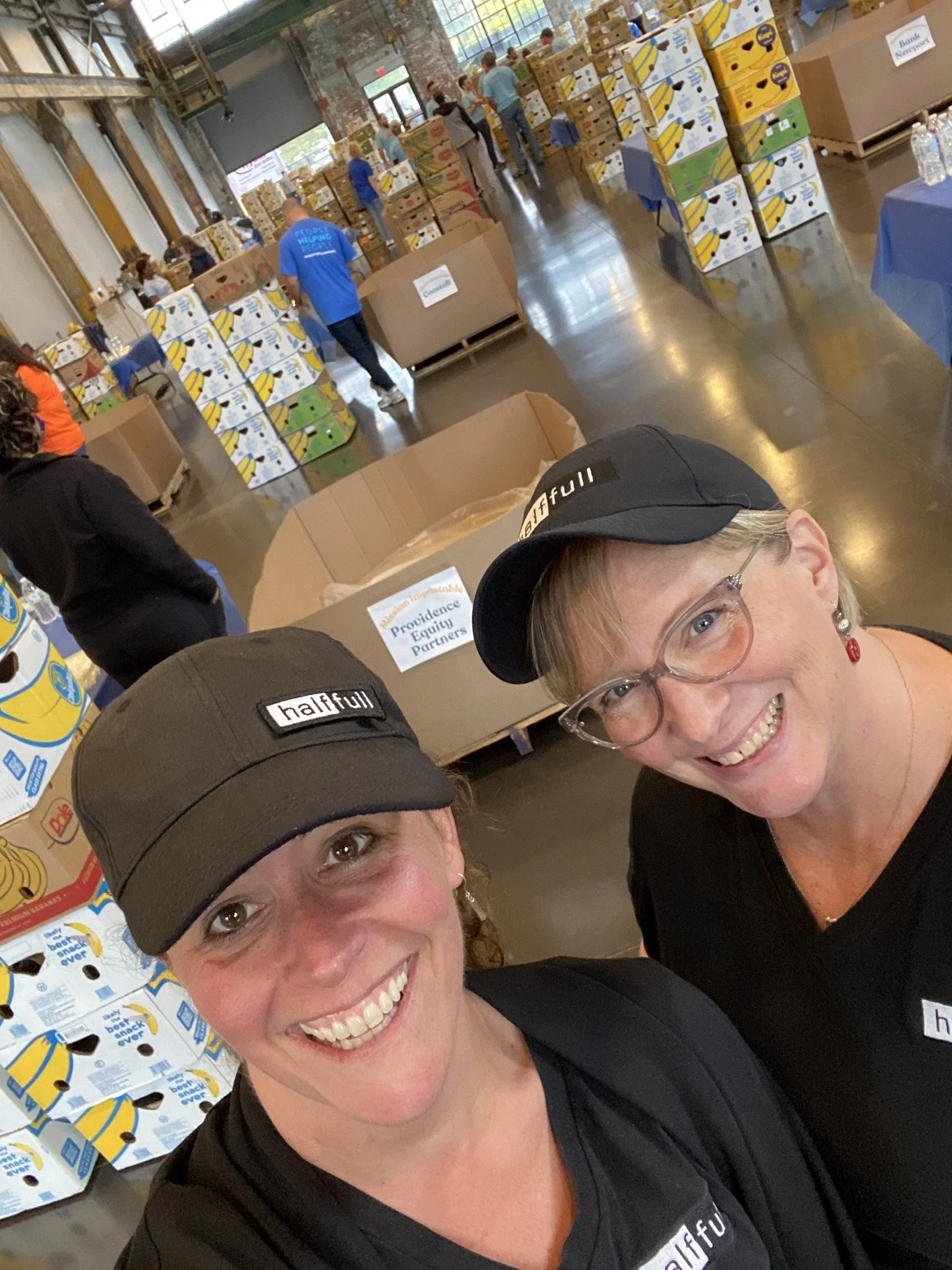
Rebecca and Diane Volunteer to Judge Mission Impastable!
When you think about the year ahead — whether you’re passionate about going all in on social impact, dipping a toe, or something in the middle — I encourage you to think about what you feel called to serve this year.
Here are a few questions that might be helpful to explore as you consider this:
How do you feel called to serve personally? What more can you or do you want to do?
What have you always been afraid to do and now feels like the right time?
What’s an idea you’ve had but not done anything with for some reason?
What excites your team to move forward that you could tackle again?
What’s that extraordinary idea you’ve had that you haven’t brought to fruition yet?
It’s perhaps never been more important for us as leaders to answer these questions, particularly coming off the heels of a year that posed great threat and challenge to the amazing companies leading the charge for social impact and corporate responsibility. From funding cuts to nonprofit closures to dwindling resources, 2025 created gaps and shortages that need our attention and intention to address this year.
Social impact allows us to do this. It gives our teams something to believe in again; grants us space to expand our definitions of what it means to be in community; elevates the role our values play in guiding our future; and keeps the people (from our teams to our customers to our partners) at the center.
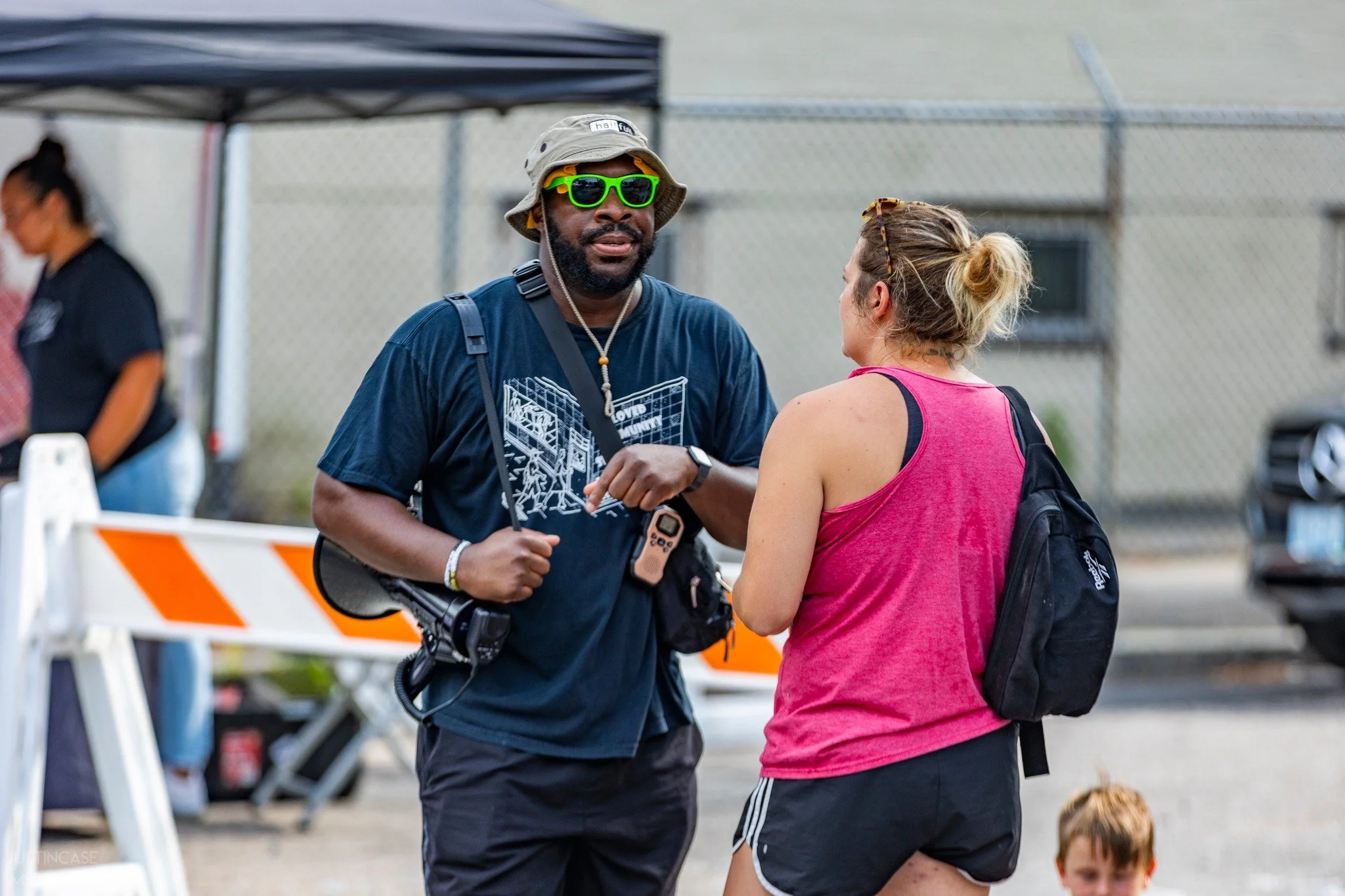
Wole Greets a Resident at the Block Party!
a look ahead
When I look back on the last 20 years of commitment to social impact, we’ve learned a lot about what it takes and what it means to lead through a lens of giving back. By no means do we have all the answers (this work continues to evolve at a rapid clip!) but we have proven methodologies, frameworks, and use cases that work and we can’t wait to share them with you.
This year, we are going to bring you closer to the full side of the business. Pulling back the curtain on how we weave social impact into our DNA, how we adopt it as a mindset, and the cascading ripple effect of positivity we’ve seen it have in our communities.
We are also going to spotlight our incredible clients, team members, and community partners who are igniting this work so powerfully! Their leadership, and stories, are nothing short of inspiring and we can’t wait to profile their work.
In the meantime, I invite you to reflect on one final question, as this answer will be unique to you…
How do you define what it means to be a social impact business?
I’d love to know! Shoot me an email by clicking here.
Also, if you’re feeling a bit stuck as to how to jump-start your social impact commitments, feel free to reach out here. From team building days to facilitated conversations, half full, llc, can help you get clearer on what it means and what it can do for you to choose social impact as a business north star.